Confocal microscopy provides high resolution, elimination of out-of-focus glare due to spatial filtering, and reduction of light-induced damage to the sample.
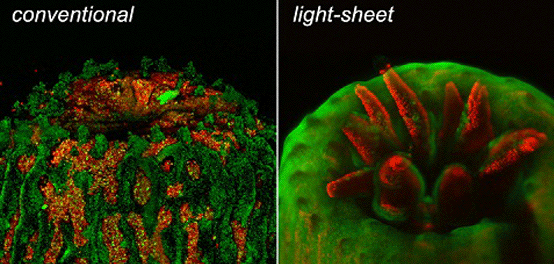
Light sheet fluorescence microscopy uses a 2D laser sheet to illuminate a thin slice of the sample and excite fluorescence, reducing phototoxicity and damage.
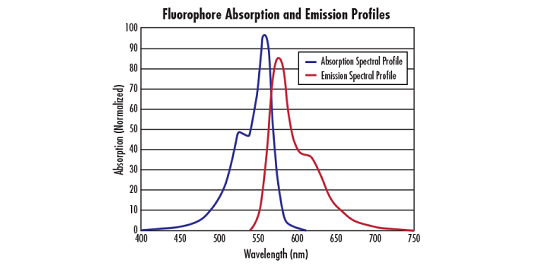
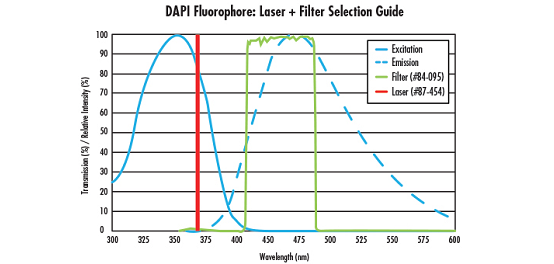
Fluorophores and Optical Filters for Fluorescence Microscopy
Want to know more about fluorophores and optical filters for fluorescence microscopy? Find out more information and in stock optical filters at Edmund Optics.
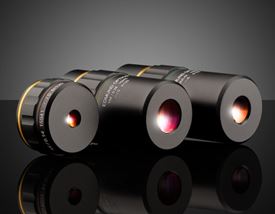
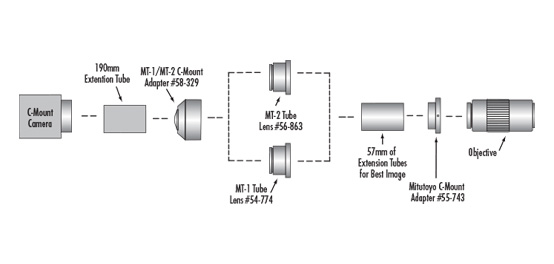
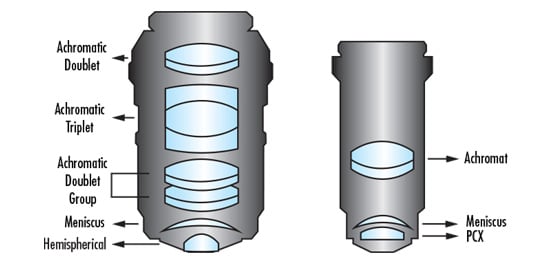
Assembling Compact Machine Vision Microscopy Systems with 120i Plan APO Infinity Corrected Objectives
Reduce the size and weight of your high magnification machine vision system with infinity corrected TECHSPEC® 120i Plan APO Infinity Corrected Objectives.
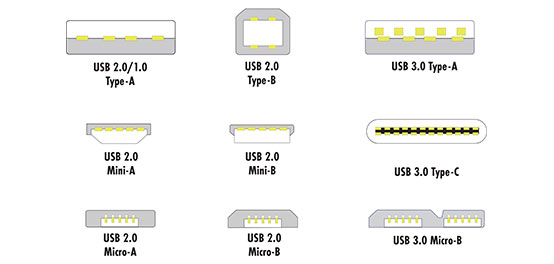
How to Power USB and GigE Cameras: Choosing the Right Accessories
Optimizing your imaging system means more than just choosing the right camera. Selecting the correct camera accessories ensures optimum performance, system stability, and successful integration. This application note explains power requirements for the two most common camera interfaces, USB and GigE, details the essential and optional accessories that enable reliable power delivery, and gives expert tips for selecting the most suitable components for your imaging system.
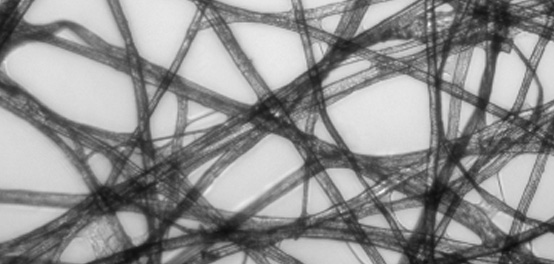
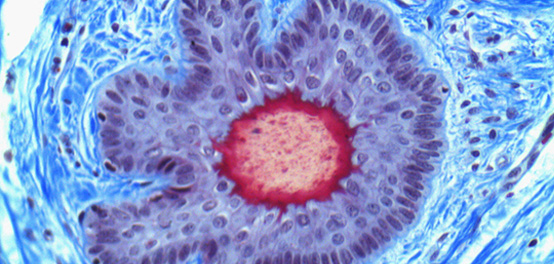
Imaging biological materials can be extremely difficult. Masson's trichrome stain helps differentiate components of cells from their surrounding tissues.
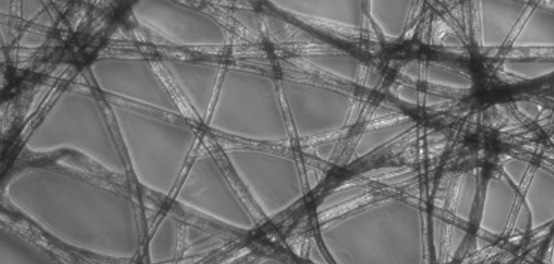
Think you know all the advantages for using phase contrast in optical microscopy? Advantages, image appearance, and technical details can be found at Edmund Optics.
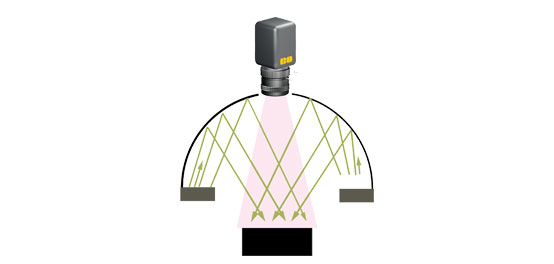
Darkfield illumination is the opposite of brightfield illumination. Find out how darkfield differs from brightfield in optical microscopy at Edmund Optics.
Differential interference contrast (DIC) is one of the polarization techniques that can be used in optical microscopy. Learn about this technique at Edmund Optics.
Liquid Lens Features, Applications, and Technology
Liquid lenses have many features, are small in size, and adjust focus quickly to adapt to objects located at various working distances. Learn more at Edmund Optics.
Choosing the right backlight illumination is critical for precise measurement and edge detection in machine vision applications. Learn about your best options!
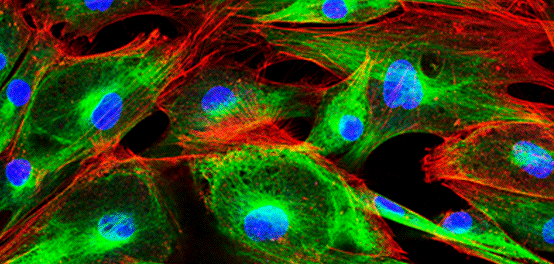
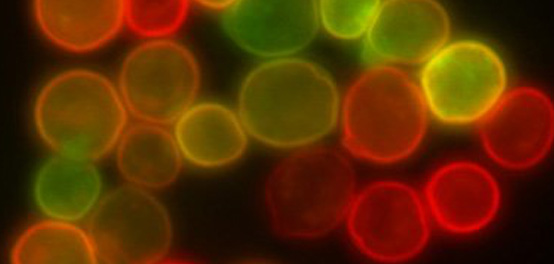
Fluorescence microscopy can be influenced by product or specification differences, which can be seen using comparative images. Learn more at Edmund Optics.
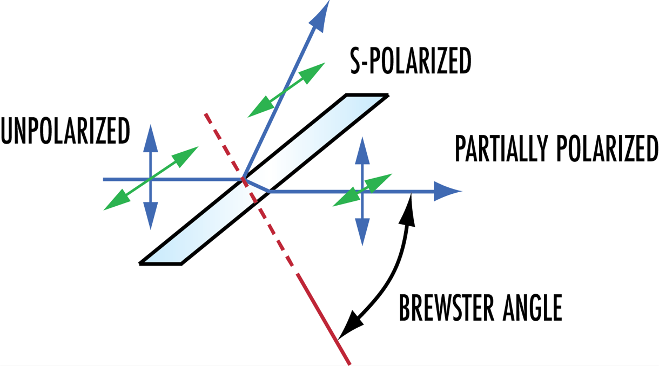
Laser Polarization: The Importance of Polarization in Laser Applications
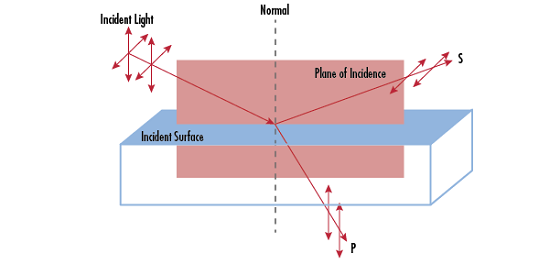
Understanding the polarization of laser light is critical for many applications, as polarization impacts reflectance, focusing the beam, and other key behaviors.
Illumination Mounts for Machine Vision Applications
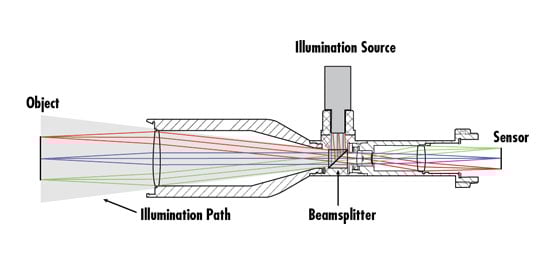
Explore a wide selection of machine vision lighting at Edmund Optics from top brands and download free 3D printed mounts for various lighting geometries.
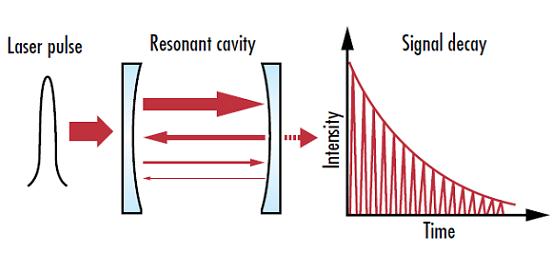
Testing laser induced damage threshold (LIDT) is not standardized, so understanding how your optics were tested is critical for predicting performance.
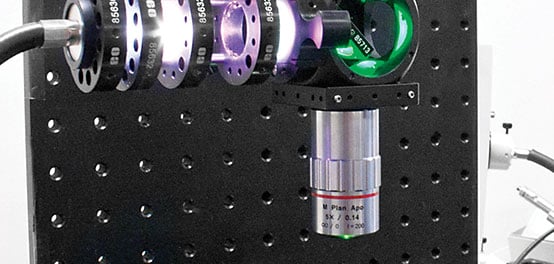
Optical Cage System Application: Digital Video Microscope
Are you looking to simplify the assembly of a digital video microscope? Find out how a TECHSPEC Optical Cage System allows for quick build at Edmund Optics.
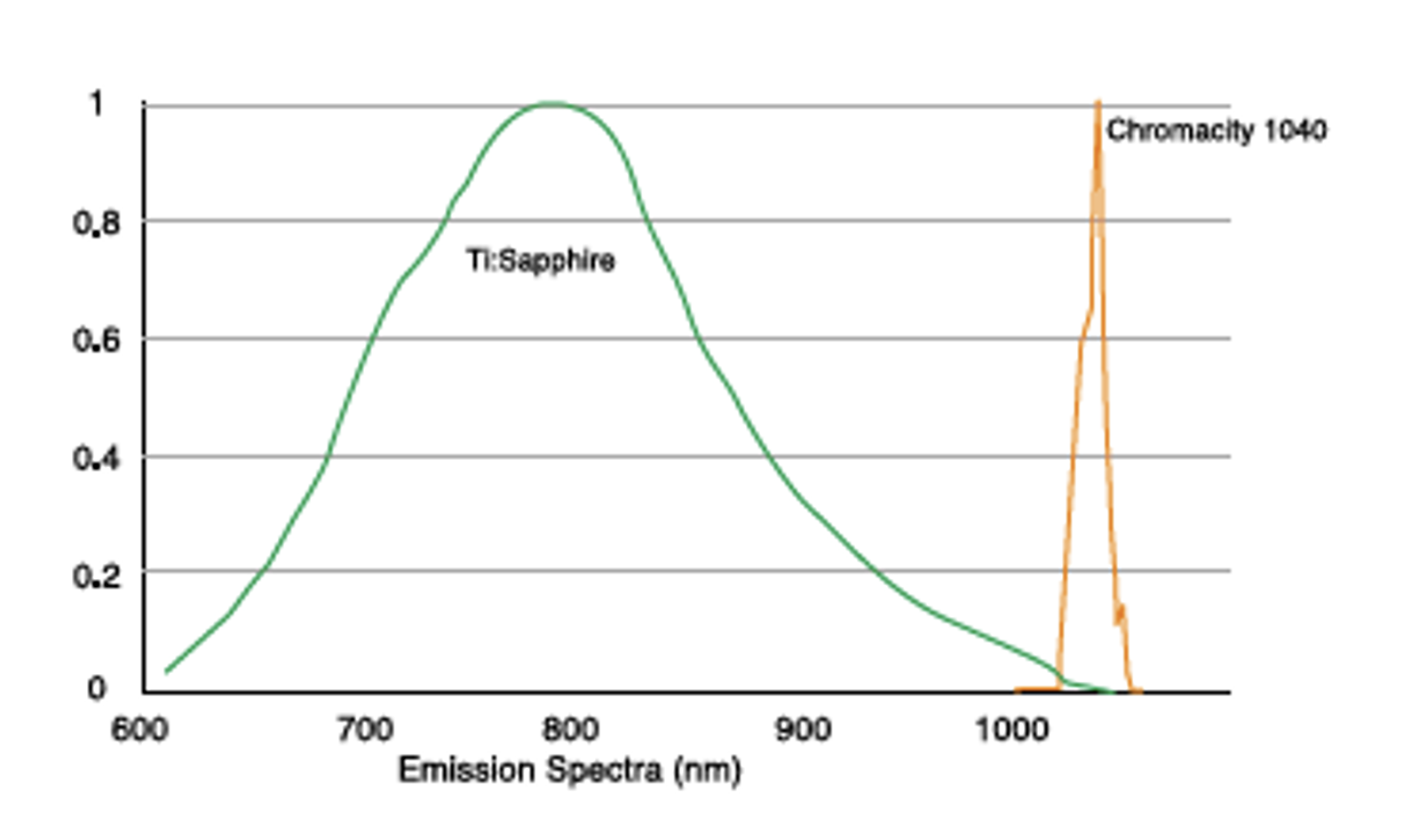
This application note compares the Chromacity 1040 and Ti:Sapphire two-photon lasers for enhanced fluorescence-based functional measurements at depth in the intact heart.
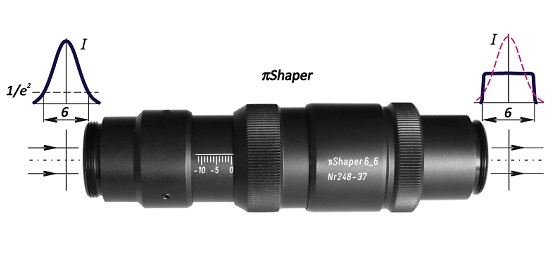
Converting a Gaussian laser beam profile into a flat top beam profile can have numerous benefits including minimized wasted energy and increased feature accuracy.
Please select your shipping country to view the most accurate inventory information, and to determine the correct Edmund Optics sales office for your order.








or view regional numbers
QUOTE TOOL
enter stock numbers to begin
Copyright 2023 | Edmund Optics, Ltd Unit 1, Opus Avenue, Nether Poppleton, York, YO26 6BL, UK
California Consumer Privacy Acts (CCPA): Do Not Sell or Share My Personal Information
California Transparency in Supply Chains Act