eo_logo
 
Product added to cart

Edmund Optics®

Knowledge Center

 Verified library of trusted technical resources created by our 240+ global engineers.

Filter
Search Results for: Motorized Vacuum Stages (43)

Are your stages vacuum compatible?

View Now Add to saved content

Can Light Absorbing Black-Out Material be used in a vacuum environment?

View Now Add to saved content

Do you sell X-Z translation stages?

View Now Add to saved content

How do I read the load capacity specification for the ball bearing stages?

View Now Add to saved content

What are the basic differences between your dovetails, rack and pinions, and ball bearing stages?

View Now Add to saved content

Important Concepts for Selecting Manual Translation Stages

Edmund Optics offers a variety of ball bearing, crossed roller bearing, dovetail, and rack and pinion translation stages for linear translation, rotary, and tip-tilt movement.

View Now Add to saved content

The Future of Microscope Objectives

Advances in Microscopy Tackle the Challenges of the Future

View Now Add to saved content

Extreme Ultraviolet Optics

Pushing Optics to the Extreme

View Now Add to saved content

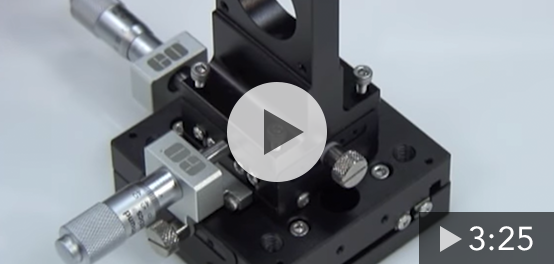
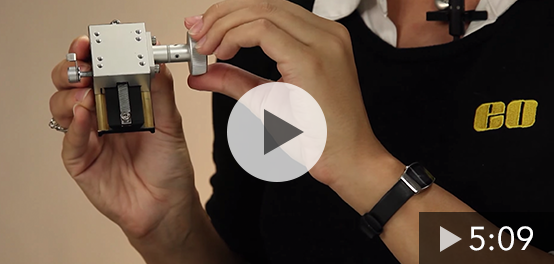
Multi-Axis Translation Stage Configurations: Part I: X-Y Setup

Learn how to make repeatable adjustments in more than one direction for any demanding optics, imaging, or photonics application with this simple, three minute video.

View Now Add to saved content

How do I clean my micro optics?

View Now Add to saved content

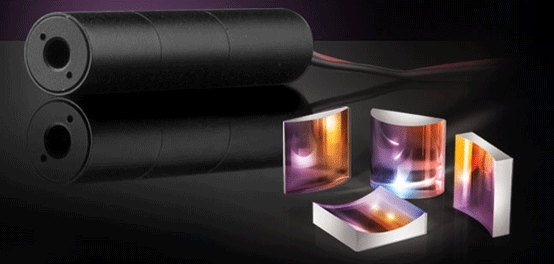
Non-Circular Optics for System Miniaturization

Trimming the Fat: Truncating Lenses to Shrink Systems

View Now Add to saved content

Optical Filter Coatings: Comparison of Traditional and Hard-Sputtered

Confused about the differences between traditional-coated and hard-coated optical filters?

View Now Add to saved content

Liquid Lenses Basics

Imaging lens performance can be enhanced with the use of liquid lenses. Learn more at Edmund Optics.

View Now Add to saved content

Introduction to Fluorescence Filters: Principles, Selection, and Applications

Learn how to choose the right combination of fluorescence filters for your fluorophores and optical requirements

View Now Add to saved content

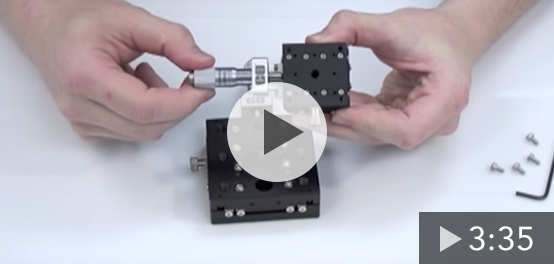
Multi-Axis Translation Stage Configurations: Part II: X-Y-Z Setup

Continuing from where Part I: X-Y Setup ends, learn how to add a Z-axis to an existing X-Y configuration to achieve three degrees of freedom.

View Now Add to saved content

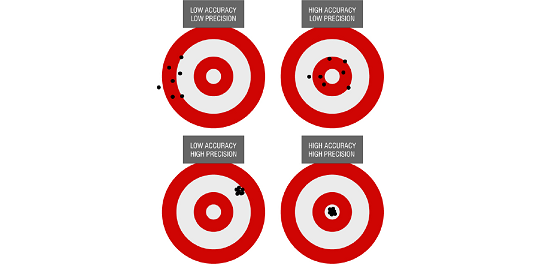
Understanding Error Sources in Precision Positioning

Understanding the source of inaccurate and imprecise errors can help formulate strategies to prevent or correct them. Learn more at Edmund Optics.

View Now Add to saved content

CNC Glass Machining

Computer Numerical Control (CNC) machines used for complex geometry manufacturing are expanding their material capabilities. Learn more at Edmund Optics.

View Now Add to saved content

Athermalization Ruggedization

Athermalization is a type of ruggedization that mitigates the harmful effects of thermal expansion and defocus in optical and imaging systems.

View Now Add to saved content

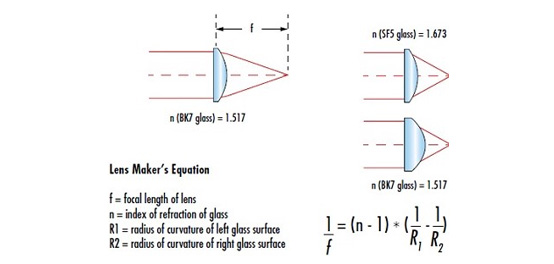
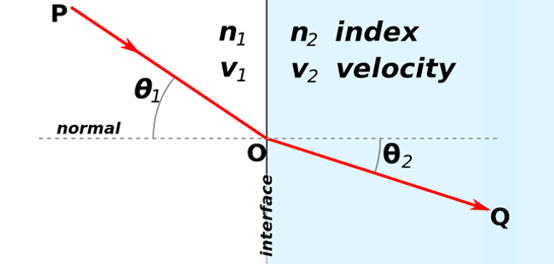
Introduction to Basic Ray Optics

An understanding of refraction and basic ray optics is a critical foundation for understanding more complicated optical concepts and technologies.

View Now Add to saved content

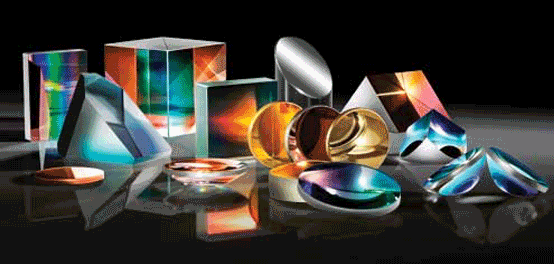
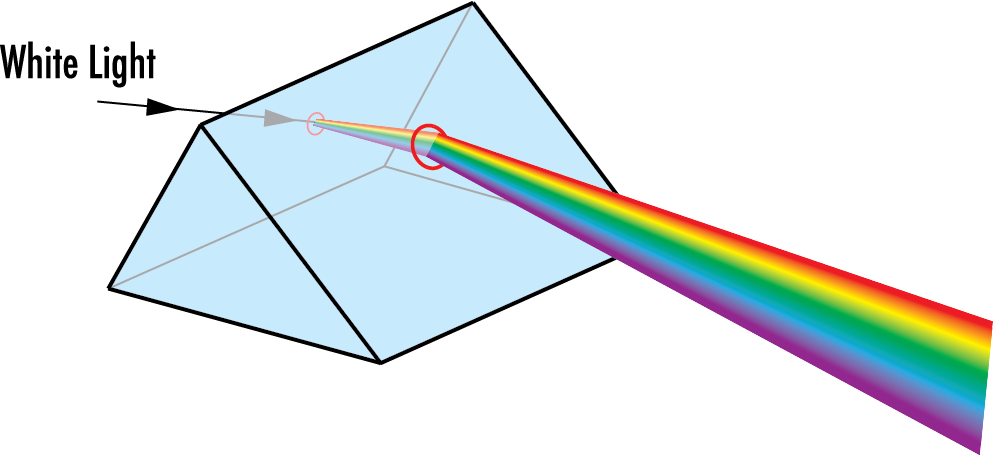
Introduction to Optical Prisms

Learn about the different types of optical prisms, their applications, and how to select the right prism for your specific system.

View Now Add to saved content

Cleaning Optics

Looking for the best way to clean optics? Learn more about the different cleaning products and methods, along with tips to handle optics at Edmund Optics.

View Now Add to saved content

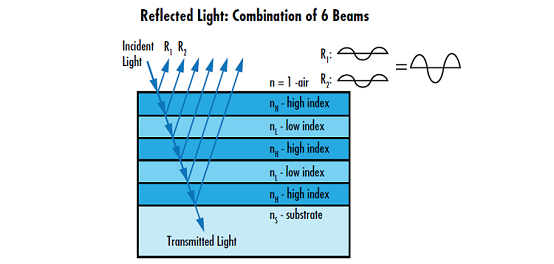
Highly Reflective Coatings

Highly reflective (HR) coatings are applied to optical components to minimize losses when reflecting lasers and other light sources.

View Now Add to saved content

Acktar Advanced Coatings

Discover Acktar's leading light absorbing materials and coatings for stray light suppression in UV, VIS, SWIR, and MWIR wavelengths at Edmund Optics.

View Now Add to saved content

5 Considerations for the Mechanical Design, Assembly, and Alignment of Optical Systems

Are you designing an optical system? Be sure to review these 5 considerations relating to mechanical design, assembly, and alignment at Edmund Optics.

View Now Add to saved content

Superpolished Optics

Superpolished optics with ultra-low surface roughness minimize scatter in optical systems, which is critical in sensitive laser applications.

View Now Add to saved content

Understanding Infinity Corrected Objective Resolving Power and Magnification

Microscopes are used in a variety of fields and applications. To understand how resolving power, magnification, and other aspects work, read more at Edmund Optics.

View Now Add to saved content

Optical Glass

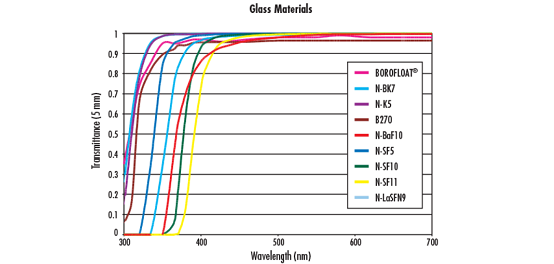
Choosing the right optical glass is important. Find out factors and properties on how to select the right optical glass at Edmund Optics.

View Now Add to saved content

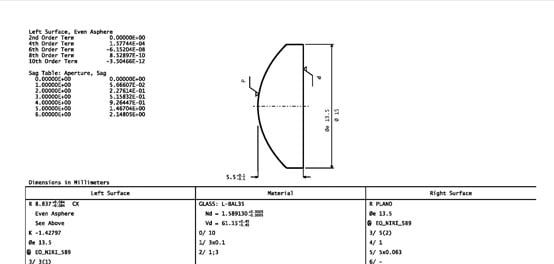
ISO Drawings for Aspheric Lenses

Aspheric lens drawings following the ISO 10110 standard are critical tools for communicating manufacturing and testing requirements for the lenses.

View Now Add to saved content

Tips for Designing Manufacturable Lenses and Assemblies

Learn more about why manufacturing, assembly, testing and implementation are all equally important for a successful lens design.

View Now Add to saved content

Keys to Cost Effective Optical Design and Tolerancing

Are you looking for ways to make cost effective optical designs? Find more information on selecting specifications and using tolerancing schemes at Edmund Optics.

View Now Add to saved content